Rhinoplasty Before and After: A Guide to Results, Recovery, and Realistic Expectations
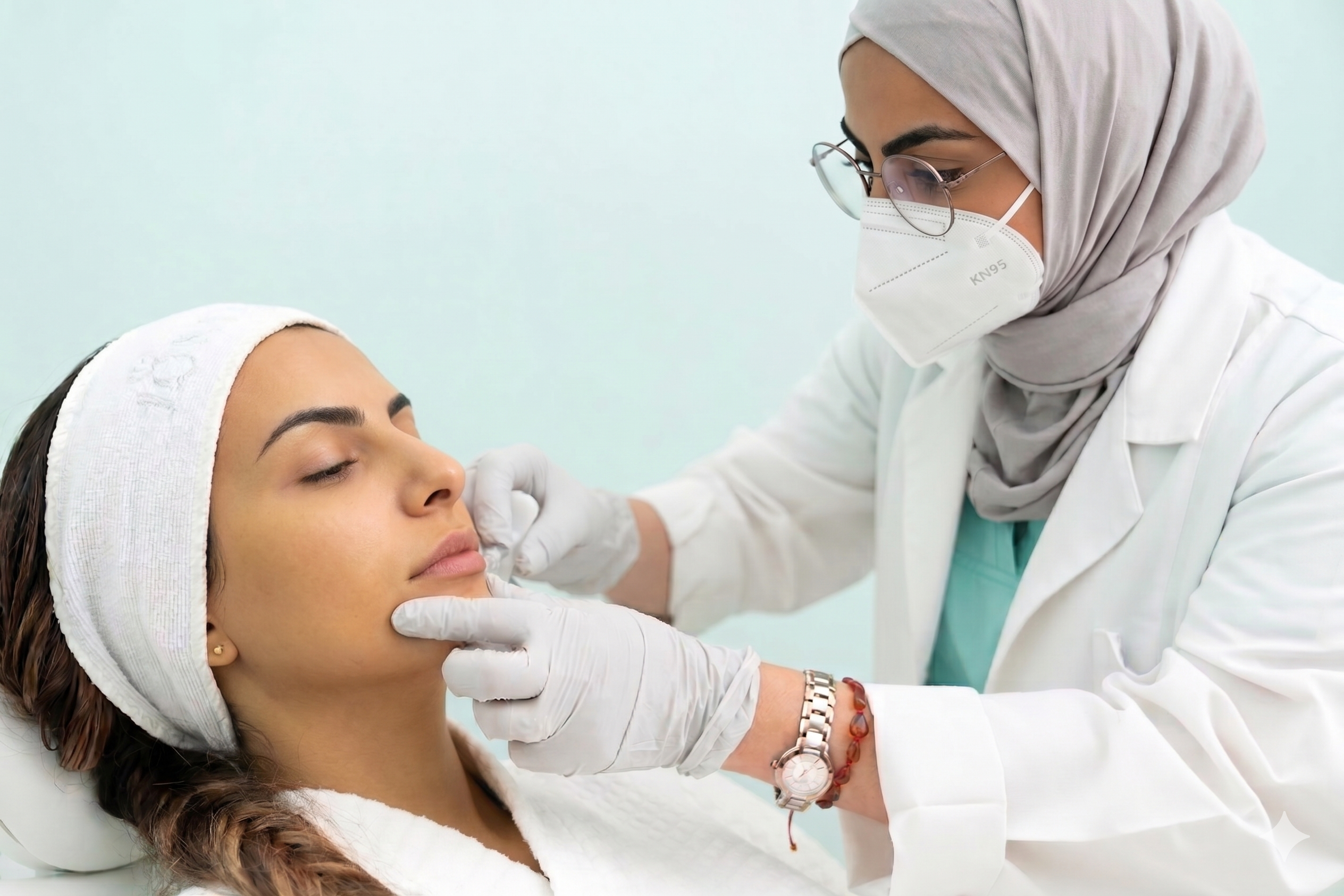
Rhinoplasty before and after photos are often the first thing patients review when considering nose reshaping surgery. These visual comparisons offer powerful insight into what modern surgical techniques can achieve, but they also raise important questions. How dramatic are the changes? How long does it take to see final results? And what should patients in Saudi Arabia specifically know before booking a consultation? In this guide, we break down the full journey from pre-operative planning to post-surgical healing, helping you understand what realistic rhinoplasty outcomes look like when performed by board-certified plastic surgeons at accredited medical institutions. This article is for informational purposes only and does not constitute medical advice.
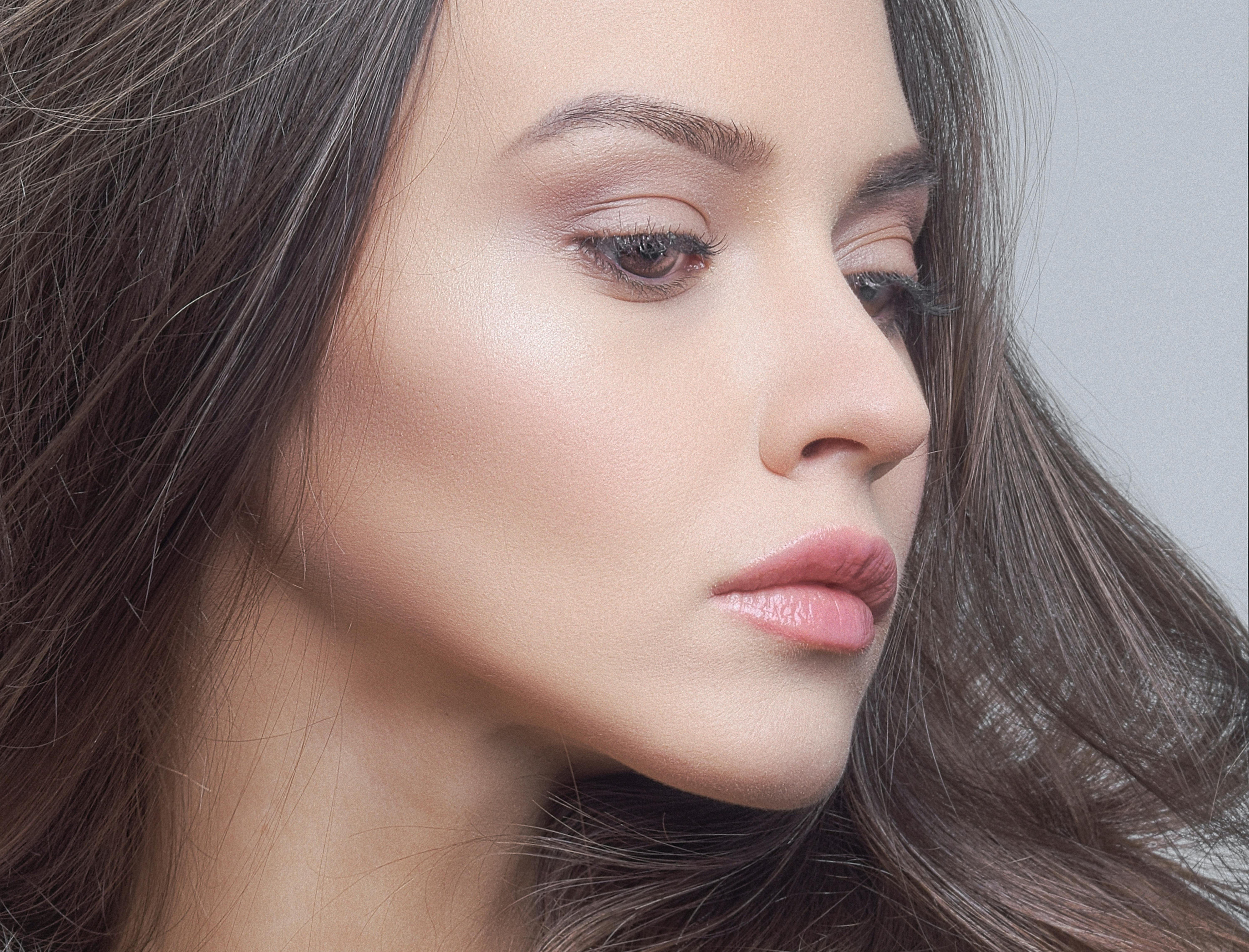
Understanding What Rhinoplasty Before and After Photos Really Show
Rhinoplasty before and after galleries are a staple on the websites of plastic surgery clinics across Saudi Arabia and globally. These images typically show the patient's nose from multiple angles, frontal, lateral (side profile), and basal (from below), captured under standardized lighting conditions before surgery and at various stages of recovery. However, it is essential to interpret these photos with nuance. Final rhinoplasty results are generally not visible until 12 to 18 months after surgery, as residual swelling in the nasal tip can take that long to fully resolve. Photos taken at the three-month or six-month mark may look promising, but they do not represent the definitive outcome.
The American Academy of Facial Plastic and Reconstructive Surgery (AAFPRS) emphasizes that patients should evaluate before and after photos critically, looking for consistency in photographic technique and ensuring the surgeon is board-certified. In Saudi Arabia, the Saudi Commission for Health Specialties (SCFHS) regulates and certifies plastic surgeons, providing an additional layer of credibility. When reviewing a surgeon's portfolio, look for cases that match your facial structure, skin type, and aesthetic goals. A skilled rhinoplasty surgeon will present a range of cases, including subtle refinements and more dramatic reconstructions, to demonstrate versatility and technical proficiency.
Common Rhinoplasty Goals and How They Appear in Results
Patients seek rhinoplasty for a wide variety of reasons. Some of the most common surgical goals include:
Reducing a dorsal hump.
Refining a bulbous nasal tip.
Correcting asymmetry or a deviated septum.
Improving breathing function.
According to data from the ISAPS, rhinoplasty consistently ranks among the top five cosmetic procedures worldwide. In Saudi Arabia, it is frequently driven by both aesthetic preferences and functional concerns. Functional rhinoplasty can lead to significant quality-of-life gains, including better sleep. Surgeons may use an open rhinoplasty approach for complex cases or a closed rhinoplasty for minor refinements with no visible external scarring.
The Recovery Timeline: When Do Final Results Become Visible?
One of the most frequently asked questions is when the final result becomes apparent. The recovery process unfolds in stages:
First Week: Patients wear a nasal splint; significant swelling and bruising are expected. Most patients take seven to ten days off work.
Weeks 2 to 4: The splint is removed and the nose begins to take its new shape. Many patients return to social activities during this period.
Months 1 to 3: Approximately 70 to 80 percent of swelling resolves, and the nose starts to look more defined.
12 to 18 Months: The definitive outcome is reached. Patients with thicker skin types, common in the Middle Eastern population, may experience a longer resolution period.
Following post-operative instructions meticulously—such as avoiding strenuous exercise and sun exposure—is critical for optimal healing.
Choosing the Right Surgeon in Saudi Arabia for Predictable Results
The quality of your results depends heavily on the surgeon's expertise. In Saudi Arabia, patients should verify that their chosen surgeon holds certification from the SCFHS. Leading medical institutions in the Kingdom, including JCI-accredited facilities, maintain rigorous standards for surgical practice.
Patients are encouraged to seek consultations at centers where 3D simulation software is available, allowing you to visualize potential outcomes on your own facial structure. A transparent surgeon will discuss both the possibilities and the limitations of the procedure, including the global revision rhinoplasty rate, which averages between 5 and 15 percent.
Ultimately, the best outcomes emerge from a collaborative relationship between a well-informed patient and an experienced, board-certified surgeon.
Ready to Get Started?
Ask Zaina to help you explore your options, from clinic locations to budget estimates. When you’re ready for the next step, we’ll bridge the gap to the right specialist in Riyadh for your formal consultation.