Upper Blepharoplasty: Your Complete Guide to Rejuvenating the Upper Eyelids
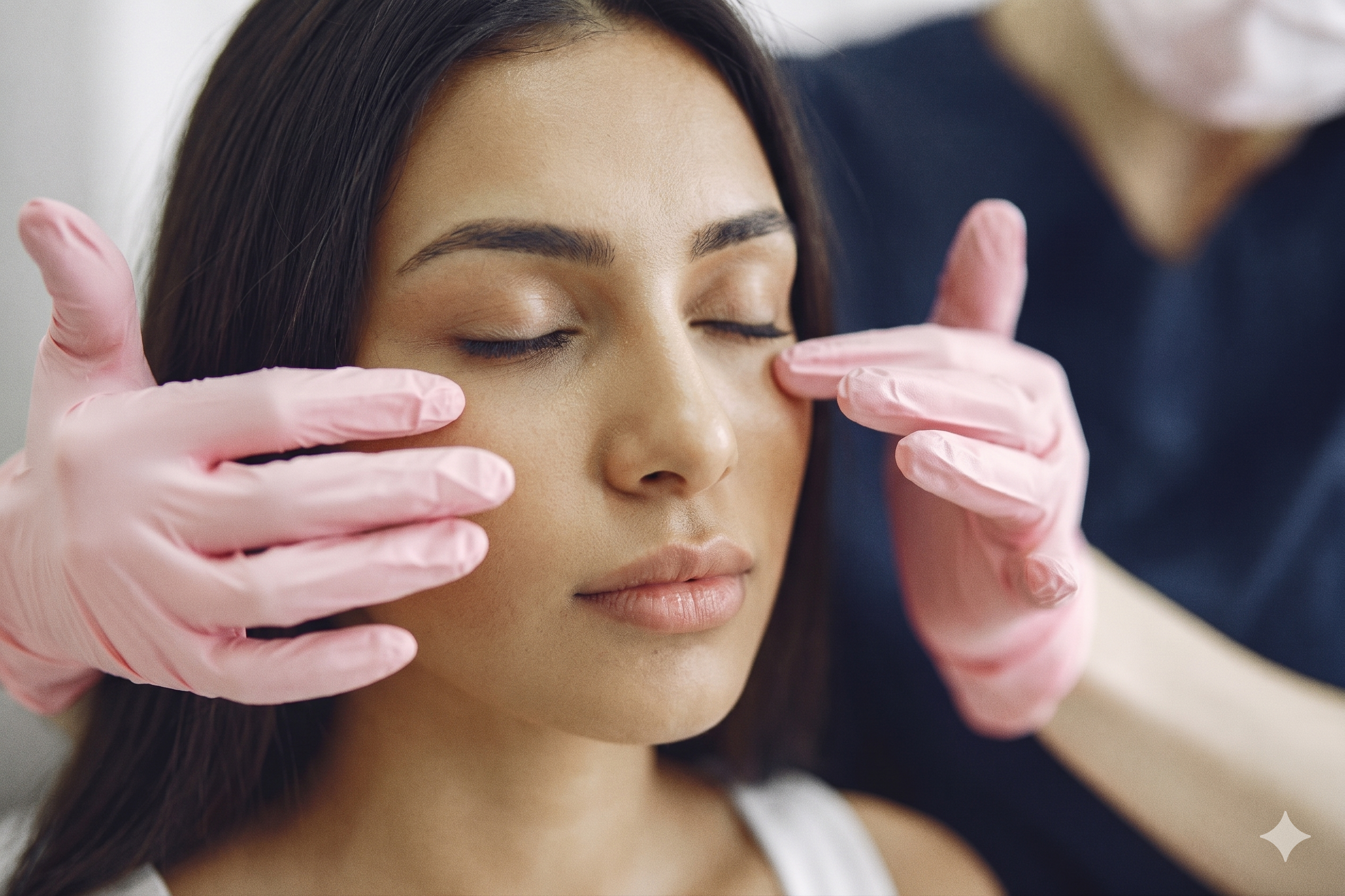
Upper blepharoplasty is one of the most commonly performed facial cosmetic procedures worldwide, designed to address excess skin, fat, and muscle on the upper eyelids. Whether you are seeking a more youthful appearance or relief from functional vision obstruction caused by sagging eyelid tissue, this procedure offers transformative results. In Saudi Arabia, demand for upper eyelid surgery has grown significantly as patients seek board-certified oculoplastic and plastic surgeons who combine precision with aesthetic sensitivity. This guide covers everything you need to know, from candidacy and surgical techniques to recovery timelines and expected outcomes, so you can make a well-informed decision about drooping eyelid surgery.
What Is Upper Blepharoplasty and Who Is a Good Candidate?
Upper blepharoplasty, also referred to as upper eyelid blepharoplasty, is a surgical procedure that removes or repositions excess skin, fat, and sometimes muscle from the upper eyelid area. The goal is to restore a more alert, refreshed, and youthful appearance to the eyes. In some cases, the procedure is medically necessary when drooping skin obstructs the upper visual field, a condition known as dermatochalasis.
Ideal candidates for upper eyelid surgery typically include adults in their mid-30s and older, with most patients being over 40. According to the American Society of Plastic Surgeons (ASPS) 2022 Procedural Statistics, approximately 115,000 cosmetic blepharoplasty procedures were performed by ASPS member surgeons in the United States, making it one of the top five cosmetic surgical procedures.
Good candidates should be in overall good health, free from serious eye conditions such as glaucoma or dry eye syndrome, and have realistic expectations. During a consultation at an accredited medical institution in Saudi Arabia, such as those licensed by the Saudi Commission for Health Specialties (SCFHS), a board-certified surgeon will evaluate eyelid laxity, skin elasticity, brow position, and tear film quality to determine whether you are a suitable candidate for the procedure.
How the Upper Blepharoplasty Procedure Is Performed
The upper blepharoplasty procedure is typically performed on an outpatient basis under local anesthesia with or without sedation, though general anesthesia may be used depending on patient preference and the surgeon's recommendation. The entire surgery usually takes between 45 minutes and one hour for bilateral upper eyelid surgery only.
The surgeon begins by carefully marking the natural crease of the upper eyelid to plan the incision. This strategic placement ensures that the resulting scar is virtually invisible once healed, as it sits within the eyelid fold. An incision is made along this line, and the surgeon then removes the predetermined amount of excess skin. If necessary, a small strip of the orbicularis oculi muscle is excised, and protruding orbital fat pads are either removed or sculpted to eliminate puffiness.
Once the adjustments are complete, the incision is closed with fine sutures, surgical tape, or tissue adhesive. Board-certified oculoplastic surgeons in Saudi Arabia employ meticulous techniques to preserve the natural contour of the eyelid and protect the delicate structures of the eye throughout the procedure.
Alternative Treatments
While upper blepharoplasty addresses specific upper eyelid concerns, alternative or complementary interventions may be considered. These include a brow lift for brow ptosis, non-surgical skin tightening, or periorbital dermal fillers for rejuvenation.
Recovery Timeline and What to Expect After Surgery
Recovery after upper eyelid blepharoplasty is generally straightforward, with most patients returning to normal daily activities within seven to ten days. Immediately after drooping eyelid surgery, patients can expect mild swelling, bruising, and a sensation of tightness around the eyelids. Cold compresses and prescribed ointments help manage these symptoms during the first 48 to 72 hours.
Sutures are typically removed five to seven days post-operatively. During the first week, patients are advised to avoid strenuous exercise, heavy lifting, and activities that increase blood pressure to the head. Eye drops or lubricating ointments may be recommended to prevent dryness and promote comfort. Most patients report that any significant bruising fades within two weeks, and residual swelling continues to diminish over the following four to six weeks.
Clinical data published in the Aesthetic Surgery Journal (Domela Nieuwenhuis et al., 2022, DOI: 10.1093/asj/sjab362) indicates that patient satisfaction rates following upper eyelid blepharoplasty exceed 90%, with improvements in both aesthetic appearance and functional vision. Final results typically become apparent within three to six months as the incision line matures and softens. It is essential to attend all follow-up appointments with your surgeon to monitor healing and address any concerns. Sun protection with SPF and quality sunglasses is strongly recommended during the recovery period to prevent hyperpigmentation of the healing incision.
Risks, Results, and Choosing the Right Surgeon in Saudi Arabia
As with any surgical procedure, upper blepharoplasty carries certain risks, although serious complications are rare when performed by a qualified specialist. Potential risks include infection, bleeding, asymmetry, scarring, temporary blurred vision, and difficulty closing the eyes. In extremely rare cases, deeper complications such as damage to the eye muscles or vision changes may occur. Choosing a board-certified plastic surgeon or oculoplastic surgeon significantly minimizes these risks.
The results of upper eyelid surgery are long-lasting, with most patients experiencing sustained improvement for five to ten years, though individual results vary depending on age, skin elasticity, lifestyle, and other factors. Some patients may retain results for over a decade.
When selecting a surgeon in Saudi Arabia, verify that the practitioner holds certification from the Saudi Commission for Health Specialties or an equivalent internationally recognized board such as the American Board of Plastic Surgery. Look for surgeons who operate in accredited facilities, maintain transparent before-and-after photo galleries, and offer thorough pre-operative consultations. Institutions affiliated with the Saudi Ministry of Health or major academic medical centers in Riyadh, Jeddah, and Dammam often house highly experienced specialists in upper eyelid blepharoplasty. A personalized consultation will help determine whether this procedure, or a combination with brow lifting, is the optimal approach for your goals.
When to Seek Emergency Medical Attention
Patients must monitor their healing closely and seek immediate medical attention or emergency care if they experience severe complications, including sudden vision changes, severe or unmanageable pain, excessive bleeding, or any acute signs of infection.
Upper blepharoplasty is a safe, effective, and well-established procedure that can dramatically rejuvenate the eye area and, in some cases, restore obstructed vision. Whether you are considering upper eyelid surgery for aesthetic enhancement or functional improvement, consulting a board-certified surgeon at an accredited facility in Saudi Arabia is the essential first step. With high satisfaction rates and long-lasting results, upper eyelid blepharoplasty remains one of the most rewarding facial procedures available today.
Medical Disclaimer: This article is for informational purposes only and does not constitute medical advice. Always consult a qualified, board-certified healthcare professional for personalized evaluation and treatment recommendations.
Ready to Get Started?
Ask Zaina to help you explore your options, from clinic locations to budget estimates. When you’re ready for the next step, we’ll bridge the gap to the right specialist in Riyadh for your formal consultation.